As the world watches cannabis evolve from a controversial plant to a valuable asset for medicine, industry, and culture, Indonesia stands at a fascinating crossroads. Known for its rich biodiversity and deep-rooted traditions, this archipelagic nation has been slow to embrace the green wave sweeping across many countries. But beneath the surface of stringent regulations lies a burgeoning interest in understanding cannabis—its potential benefits, risks, and applications within Indonesian society. In this blog post, we’ll embark on an enlightening journey through current research efforts focused on cannabis in Indonesia. We’ll uncover how scientists are exploring its therapeutic properties, delve into local attitudes toward legalization, and consider what these developments mean for both health and economy in one of Southeast Asia’s most diverse nations. Join us as we navigate this intricate landscape where tradition meets innovation!
Introduction: The History of Cannabis in Indonesia
Indonesia, an archipelago known for its diverse culture and stunning landscapes, has a complicated relationship with cannabis. Historically, this plant has been woven into the fabric of Indonesian society for centuries—used in traditional medicine and various rituals. Yet today, it stands at a crossroads between ancient practices and modern scientific inquiry.
As global attitudes towards cannabis evolve, so does the dialogue within Indonesia. The potential health benefits continue to draw attention from researchers and advocates alike. However, navigating the landscape of current research on cannabis in Indonesia is fraught with challenges that reflect deeper cultural beliefs and legal limitations.
Join us as we delve into the intricate history of cannabis in Indonesia, uncover its current legal status, explore groundbreaking research on its health benefits, address ongoing controversies surrounding its use—and consider what lies ahead for this remarkable plant in one of Southeast Asia’s most vibrant nations.
The Legal Status of Cannabis in Indonesia
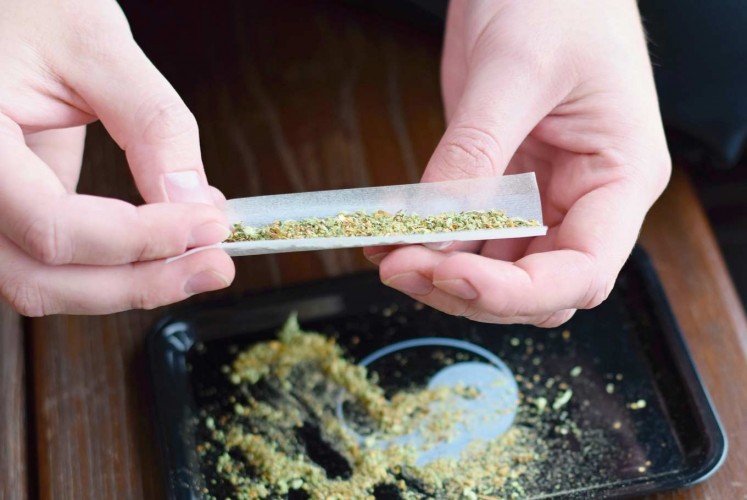
According to wikipedia, Cannabis use have been reported to as early as the 10th century in Java and Aceh. In 1927, the drug was banned by the Dutch colonial government. After Indonesian independence, the drug remained illegal, with it being the subject of a large anti-drug and anti-narcotics campaign since the 1970s.
The consequences can be devastating. Offenders face long prison sentences and hefty fines. Even small amounts can lead to serious ramifications.
Despite its illegal status, there is growing interest in reforming these laws. Advocates argue that legalization could benefit public health and the economy.
However, any change remains slow due to deeply rooted cultural beliefs and strong opposition from various groups. These factors contribute to a challenging environment for those wishing to explore cannabis’s potential benefits through research.
As discussions unfold, the landscape may shift in unexpected ways. The tension between tradition and progress continues to define the narrative surrounding cannabis legislation in Indonesia.
Current Research on the Health Benefits of Cannabis in indonesia
Current research on the health benefits of cannabis in indonesia is gaining momentum globally, and Indonesia is no exception. Studies are exploring its potential in various medical fields.
Pain management remains a key focus. Emerging evidence suggests that cannabinoids can effectively alleviate chronic pain conditions, offering an alternative to traditional medications.
Neurological disorders also draw attention. Initial findings indicate that certain compounds may aid in treating epilepsy and multiple sclerosis by regulating neuronal activity.
Mental health is another area where cannabis shows promise. Researchers are investigating its role in managing anxiety and depression, with some studies indicating positive effects on mood stabilization.
According to sciencedirect, Cannabis or marijuana has been documented in Indonesia since the 14th century, being introduced to Aceh by Gujarati traders. Acehnese culture employs it in various domains, including rituals, medicine, culinary applications, and agricultural practices (Lumbanrau, 2020; Putri & Blickman, 2016). In recent developments, there has been a notable change in the perception of cannabis, transitioning from an earlier acceptance to a current stance of rejection. The shift in comprehension can be attributed to the prevailing influence of religious discourse, particularly Islam.
These avenues of exploration highlight the therapeutic potential of cannabis, but thorough scientific scrutiny remains essential for validating these claims within Indonesia’s unique context. The interplay between traditional medicine and modern science might reshape perceptions about this ancient plant very soon. buy cannabis online in bali, buy marijuana online in bali, buy cannabis in indonesia,
- Pain Management
Pain management is a significant area of interest in current research on cannabis in Indonesia. Many individuals suffering from chronic pain look for alternatives to traditional pharmaceuticals, often seeking more natural remedies.
Recent studies suggest that cannabinoids may play a vital role in alleviating various types of pain. These compounds work by interacting with the body’s endocannabinoid system, which regulates pain perception.
Patients report experiences of reduced discomfort and improved quality of life when using cannabis-based treatments. This has sparked discussions about its potential as an effective alternative or complement to opioid medications.
Despite the promising evidence, cultural perceptions surrounding cannabis continue to pose challenges. However, ongoing research aims to provide clearer insights into its safety and efficacy for managing pain effectively within Indonesian healthcare settings.
- Neurological Disorders
Neurological disorders encompass a range of conditions affecting the brain and nervous system. These can include epilepsy, Parkinson’s disease, multiple sclerosis, and more. Current research on cannabis in Indonesia is beginning to explore its potential therapeutic effects for these conditions.
Preliminary studies suggest that cannabinoids may help reduce seizure frequency in epilepsy patients. This has sparked interest among local scientists seeking safe alternatives for treatment.
Cannabis may also offer neuroprotective benefits. Some findings indicate that certain compounds could mitigate symptoms associated with neurodegenerative diseases like Parkinson’s.
In addition, there is growing evidence pointing towards cannabis’ ability to alleviate spasticity in multiple sclerosis patients. Researchers are investigating how these properties can be harnessed to improve quality of life.
As this field evolves, Indonesian researchers are eager to dive deeper into understanding the full implications of cannabis on neurological health.
- Mental Health
Mental health has become a focal point in the discussion around cannabis research. Emerging studies suggest that certain compounds in cannabis may alleviate symptoms of anxiety and depression.
Cannabidiol, or CBD, is particularly noteworthy. Unlike THC, it doesn’t induce a high but has shown promise in reducing anxiety levels. Many users report feeling calmer after using CBD products.
Research is still in its infancy here. However, anecdotal evidence from patients suggests significant improvements in mood and overall well-being.
In Indonesia, cultural perceptions complicate this topic further. Open discussions about mental health are often taboo, making it challenging for individuals to explore potential benefits of buying cannabis online in bali as an alternative therapy.
Despite these hurdles, there’s growing interest among scientists and advocates to investigate how cannabis could play a role in addressing mental health issues within the country’s unique context.
Controversies and Challenges Surrounding Cannabis Research in Indonesia
Cannabis research in Indonesia faces significant hurdles. Cultural and religious beliefs deeply influence societal views on the plant. Many Indonesians associate cannabis with negative stereotypes, creating a barrier to open discussions about its potential benefits.
Legal restrictions further complicate research efforts. Cannabis remains classified as a narcotic under Indonesian law, making scientific inquiries challenging. Researchers often navigate a maze of regulations that limit access to necessary resources.
Additionally, funding for studies is scarce due to stigma surrounding cannabis use. This lack of financial support stifles innovation and exploration into the health benefits that cannabis might offer.
Despite these challenges, some advocates are pushing for change, striving to educate the public on the medical applications of cannabis while advocating for reform in legislation. The path forward remains fraught with obstacles but holds promise for future discoveries in this field.
- Cultural and Religious Stigmas
According to theemeraldmagazine, However, given that the majority of Indonesia’s population is Islam, “it seems difficult to legalize cannabis,” he continued, because under Islamic beliefs, drugs and alcoholic drinks are forbidden.
Cultural and religious stigmas around cannabis in Indonesia run deep. The country has a rich tapestry of traditions where many view the plant as taboo. For some, it is associated with negative behaviors or moral degradation.
Islam plays a significant role in shaping public perception. As the predominant religion, its teachings often emphasize sobriety and discourage substance use. This creates an environment where discussions about cannabis can be sensitive.
Many communities hold onto traditional beliefs that equate cannabis with illicit activities or criminality. Such views create barriers to open dialogue regarding its potential benefits.
As research begins to emerge on the therapeutic properties of cannabis, these cultural perceptions may hinder acceptance. Engaging local leaders and educators is crucial for fostering understanding and reducing stigma surrounding this complex issue.
- Legal Restrictions
According to thejakartapost, Unauthorized handling of marijuana is a criminal offense. According to Article 111 of the law, marijuana possession can result in a sentence of up to 12 years’ imprisonment and a Rp 8 billion (US$581,782) fine.
Legal restrictions surrounding cannabis in Indonesia are stringent. The nation enforces one of the toughest drug laws in Southeast Asia. Possession, trafficking, and cultivation can lead to severe penalties, including long prison sentences.
These strict regulations stifle research opportunities significantly. Scientists often find it challenging to obtain necessary permits for studies involving cannabis. As a result, comprehensive data on its potential benefits remains limited.
Additionally, the fear of legal repercussions discourages many researchers from exploring this field altogether. This creates a gap between global advancements in cannabis research and Indonesia’s current standing.
The lack of clear guidelines also complicates collaboration with international institutions that focus on medical cannabis studies. Without a conducive environment for investigation, understanding the therapeutic properties of cannabis becomes nearly impossible within Indonesian borders.
Efforts to Legalize or Decriminalize Cannabis in Indonesia
In recent years, discussions around the legalization and decriminalization of cannabis in Indonesia have gained momentum. Activists advocate for a shift in policy, arguing that regulated use can benefit public health and the economy.
Several organizations are working tirelessly to raise awareness about potential medical benefits. They emphasize how legal access could provide relief for patients suffering from chronic conditions.
Despite resistance from conservative factions, some politicians have begun to reconsider their stance on cannabis. This shift indicates a growing recognition of changing attitudes towards drug policies globally.
Social media campaigns play a pivotal role in these efforts. They connect citizens with information and allow them to express their views openly without fear of repercussion.
As dialogues continue, the hope is that more comprehensive research will emerge, guiding future legislative changes in Indonesia’s approach to cannabis use and regulation.
Conclusion: The Future of Cannabis Research and Policy in Indonesia
As the landscape of cannabis research evolves, Indonesia stands at a crossroads. The historical context surrounding cannabis has shaped current perceptions and policies, but there is growing interest in its potential benefits. Ongoing studies suggest promising avenues for pain management, neurological disorders, and mental health treatments.
However, challenges abound. Cultural beliefs and legal restrictions often hinder progress in researching this versatile plant. Yet, there is a noticeable shift in attitudes among certain segments of society advocating for reevaluation of cannabis laws.
The future hinges on continued advocacy for responsible policy changes that align with emerging scientific evidence. As researchers push boundaries and gather data on the health benefits of cannabis, it’s essential to foster an environment conducive to open dialogue.
Indonesia could very well become a leader in ethical cannabis research if barriers are addressed effectively. The journey ahead will require collaboration between scientists, policymakers, healthcare professionals, and communities to create a framework where innovation meets tradition—ultimately benefiting those who seek relief through alternative therapies.